
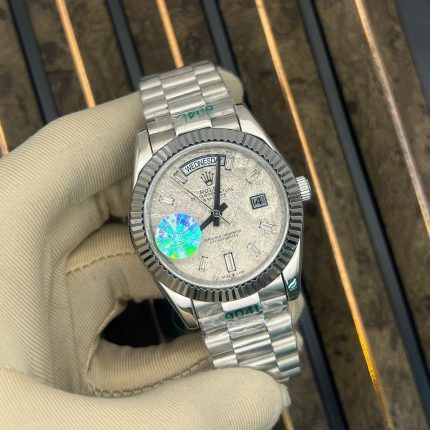
Dubai is a city known for its luxury, sophistication, and fashion-forward lifestyle. From its towering skyscrapers to its grand shopping malls, it has established itself as a global hub where luxury goods, especially high end fake watches in dubai are in high demand. However, alongside genuine luxury pieces lies a thriving market for fake watches. These imitations, often crafted with remarkable precision, have not only gained popularity among locals and tourists but have also left a distinct social impact on the city’s culture, economy, and perception of luxury.
The Rise of Fake Watches in Dubai
In Dubai, where status and style are ingrained in daily life, there has always been a high demand for watches. The urge to buy luxury timepieces is strong since companies like Cartier, Omega, and Rolex are setting the standard for the world. But not everyone is able to pay the high prices associated with genuine luxury timepieces. The market for fake watches in Dubai has been steadily growing as a result of this disparity.
The quality of these reproductions varies from poor imitations to excellent copies that closely mimic the originals. These imitations give many consumers an opportunity to experience the premium feel and appearance without having to pay for it. Fake watches have grown in popularity over time, changing how Dubai residents view success and fashion.
Accessibility and the Democratization of Luxury
One of the most notable social impacts of fake watches in Dubai is the accessibility they provide. Luxury has traditionally been exclusive, limited only to the wealthy elite. Fake watches have changed this dynamic by democratizing the concept of luxury.
Now, a student, a middle-class professional, or a tourist on a budget can still wear a watch that mirrors the design of a high-end brand. This accessibility allows more people to experience the feeling of sophistication and confidence that luxury accessories bring. In this way, rolex copy watches have blurred the lines between exclusivity and affordability.
Fake Watches as Status Symbols
Fake timepieces have symbolic significance in a place like Dubai where social interactions frequently heavily rely on appearance and image. Even if a watch is not genuine, wearing one that appears to be from a luxury brand might raise one's social status.
This influence demonstrates how, in Dubai, the perception of success and status is influenced by fake timepieces. These reproductions are frequently purchased by consumers as a means of projecting wealth or fitting in with their social groups. While beauty alone might make an impression in many groups, authenticity may be important in others.
The Economic Angle of Fake Watches
Beyond individual buyers, the fake watch market also has an economic impact in Dubai. Street vendors, small retailers, and online sellers benefit from the sale of replicas, which can generate significant income. For tourists, these watches are often appealing souvenirs—affordable reminders of their trip to the city of luxury.
However, this shadow economy also has drawbacks. The sale of fake watches can affect legitimate businesses and luxury brands operating in Dubai. These brands invest heavily in authenticity, craftsmanship, and innovation, and the spread of replicas poses challenges to their value and brand integrity.
Cultural Acceptance of Replicas
Another important social aspect is the cultural acceptance of fake watches in Dubai. In some societies, buying counterfeit goods carries strong negative connotations. Yet in Dubai, where fashion and lifestyle are central to identity, the use of replicas has become more normalized.
This acceptance does not necessarily mean people cannot distinguish between fake and real watches. Rather, it reflects an understanding that style and appearance often matter more than authenticity in certain settings. For many, fake watches are not seen as dishonest but as practical alternatives that allow individuals to keep up with trends.
Shaping Identity and Self-Expression
Fake watches in Dubai also contribute to personal identity and self-expression. Watches are more than functional accessories; they are symbols of personality, taste, and lifestyle. A person wearing a luxury-styled watch, even if fake, communicates a message of refinement and ambition.
For younger generations especially, fake watches provide a way to experiment with style. They can try out different designs and aesthetics without committing to the high costs of authentic luxury pieces. This experimentation plays an important role in shaping fashion preferences and building self-confidence.
The Debate on Authenticity and Value
Despite the popularity of fake watches in Dubai, there remains an ongoing debate about authenticity and value. Critics argue that fake watches undermine creativity, innovation, and the hard work of original brands. They see replicas as devaluing the concept of luxury by reducing it to surface-level appearances.
On the other hand, supporters view patek philippe copy watches as a reflection of evolving consumer values. To them, style, affordability, and practicality outweigh the need for authenticity. This debate continues to influence social conversations around consumption, fashion, and identity in Dubai.
Conclusion
In Dubai, fake watches are more than simply reasonably priced replicas of luxury; they are a societal force that influences attitudes, ways of life, and cultural standards. They have changed how people define success and style, lowered the barrier between appearance and authenticity, and made luxury more widely available.
It is impossible to overlook the societal influence of fake watches in Dubai, even though their existence may cast doubt on their genuineness and brand value. They now form a part of the city's distinctive fabric, where elegance and accessibility coexist with tradition and modernity. Many people believe that wearing a false watch tells a story of identity, aspiration, and belonging in a city that is centred around style and image, rather than just reporting the time.