
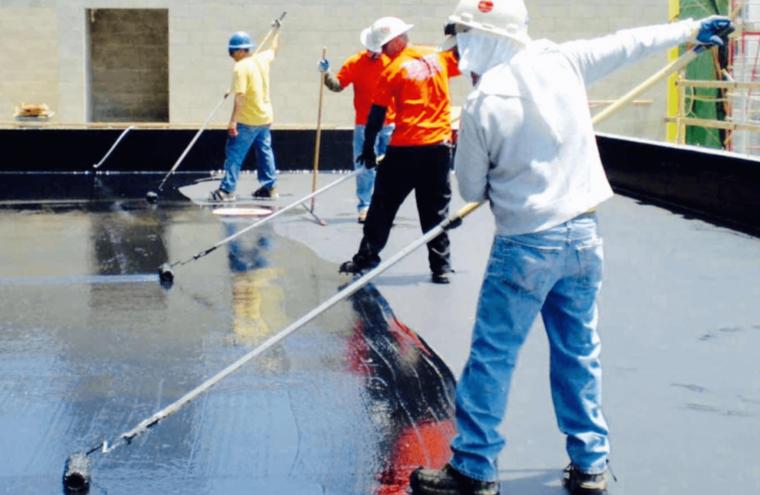
Dubai's extreme climate, with intense heat and high humidity, presents unique challenges for maintaining the structural integrity of buildings. The city’s weather patterns, including scorching summer temperatures and occasional heavy rain, make waterproofing in dubai essential for both residential and commercial properties. Proper waterproofing materials not only protect buildings from water damage but also enhance their longevity. Here are some of the best waterproofing materials for Dubai properties, ideal for preventing leaks, moisture buildup, and other forms of water-related damage.
1. Polyurethane Liquid Membrane
Polyurethane liquid membrane is one of the most effective waterproofing materials for buildings in Dubai, particularly for roofs, terraces, and balconies. This material is known for its excellent flexibility and ability to form a continuous layer over surfaces, making it highly resistant to water penetration. The membrane is applied as a liquid that cures to form a seamless, durable coating, which can expand and contract with temperature fluctuations, an essential feature in Dubai’s hot climate.
One of the main benefits of polyurethane liquid membrane is its resistance to UV rays, which is crucial in Dubai’s harsh sun. It also has a high adhesion capacity, making it suitable for various surfaces, including concrete, metal, and bitumen. The membrane also offers resistance to chemical exposure, making it a long-lasting option for protecting roofs and foundations from water damage.
2. Bituminous Membrane
Bituminous membranes are among the most popular choices for waterproofing roofs, foundations, and basements in Dubai. These membranes are made from asphalt or bitumen, which are highly resistant to water and moisture. They are typically used for flat or low-sloped roofs, where water runoff is a concern. The material can be applied in several layers, forming a thick, impermeable barrier against water infiltration.
One of the reasons bituminous membranes are widely used in Dubai is their affordability and versatility. They are also resistant to extreme temperatures and UV rays, which is critical for maintaining their effectiveness in the hot and sun-drenched environment of Dubai. Bituminous membranes come in various forms, including self-adhesive and torch-on versions, allowing for flexibility in application based on the surface and structure.
3. Cementitious Waterproofing
Cementitious roof waterproofing near me is a popular choice for buildings in Dubai, particularly for areas that experience frequent exposure to moisture, such as basements, bathrooms, and kitchens. This material consists of a mix of cement, sand, and other additives, which, when applied to surfaces, create a waterproof barrier. The key advantage of cementitious waterproofing is its simplicity and ease of application, making it a cost-effective option for many property owners.
While cementitious waterproofing is highly effective for preventing water from entering concrete surfaces, it is often used in combination with other waterproofing materials for maximum protection. For example, cementitious waterproofing can be applied as a base layer, followed by polyurethane or bituminous membranes for added durability. Cementitious products are also highly resistant to saltwater, making them a great option for properties near the coast in Dubai.
4. EPDM Rubber Membrane
Ethylene Propylene Diene Monomer (EPDM) rubber membrane is another highly effective waterproofing material widely used for flat roofs, basements, and foundation walls. EPDM is a synthetic rubber that is highly durable and resistant to weathering, UV radiation, and extreme temperatures. The material is available in large sheets, which are installed using adhesives or fasteners.
EPDM rubber membranes have several advantages for Dubai properties. First, they offer superior resistance to temperature extremes, which is essential for Dubai's harsh climate. Additionally, the material is flexible, making it ideal for use on structures that experience movement, such as roofs and foundations. EPDM membranes also have a long lifespan, with many manufacturers offering warranties of up to 50 years, making them an investment in the long-term durability of a property.
5. Silicone Waterproofing
Silicone waterproofing is another excellent option for protecting buildings in Dubai from water damage. This material is often used as a sealant for joints, cracks, and other vulnerable areas in a structure. Silicone-based waterproofing products form a strong, elastic barrier that resists water penetration while allowing surfaces to breathe. This is particularly important in Dubai, where buildings are subjected to high heat and humidity.
Silicone waterproofing is highly effective for sealing gaps around windows, doors, and roofing systems. It is also resistant to mold and mildew, which can be a significant concern in areas with high humidity. While silicone waterproofing is generally not used for large surface areas like roofs, it is often applied in conjunction with other materials to provide extra protection against leaks.
6. Liquid Rubber Coating
Liquid rubber coatings are another versatile and effective waterproofing material for Dubai properties. This material is applied as a liquid, which forms a durable and seamless rubber layer upon curing. Liquid rubber coatings are typically used for roofing, terraces, and basements and offer excellent water resistance. The material is highly flexible, allowing it to expand and contract with temperature changes, making it ideal for the fluctuating temperatures in Dubai.
One of the key benefits of liquid rubber coatings is their ease of application. They can be applied using a brush, roller, or spray, making them suitable for both small and large surfaces. Additionally, liquid rubber coatings are resistant to UV rays, ozone, and saltwater, ensuring long-term performance even in Dubai’s harsh environment.
7. TPO (Thermoplastic Olefin) Membrane
TPO membrane is a modern, energy-efficient waterproofing material that is becoming increasingly popular in Dubai. Made from a blend of polypropylene and ethylene-propylene rubber, TPO membranes are highly reflective, which helps reduce the heat absorbed by buildings. This makes TPO membranes an ideal choice for Dubai’s hot climate, as they can help lower cooling costs and increase energy efficiency.
TPO membranes are also highly resistant to UV radiation, chemicals, and water, making them a durable choice for roofing and other waterproofing applications. The material is typically installed using a heat-welding process, which creates strong seams and ensures a watertight seal.
8. Crystalline Waterproofing
Crystalline waterproofing is a unique solution that works by forming insoluble crystals within the concrete structure. These crystals block the pathways of water, preventing it from penetrating the surface. Crystalline waterproofing is often used for basements, foundations, and other areas where water exposure is frequent.
This material is ideal for buildings in Dubai, as it not only prevents water ingress but also enhances the strength and durability of concrete. Crystalline waterproofing is applied as a coating, which can be either sprayed or troweled onto surfaces. It’s especially useful for new constructions but can also be applied to existing structures as a retrofitting solution.
Conclusion
Choosing the right waterproofing material for a property in Dubai is crucial for ensuring long-term protection against water damage. Whether it’s the flexible polyurethane liquid membrane, the reliable bituminous membrane, or the energy-efficient TPO membrane, each material has unique benefits suited to Dubai’s specific climate and structural needs. By selecting the most appropriate waterproofing solution, property owners can enhance the durability of their buildings, reduce maintenance costs, and ensure the comfort and safety of the occupants. Consulting with a waterproofing expert is always recommended to determine the best material based on individual property requirements.4o mini